




Botox treatment Australia: What Does Botox Do? A Complete Guide
Botox treatment Australia: Botox is one of the most recognised names in cosmetic and therapeutic medicine, yet it’s also one of the most misunderstood. Many people know it as “the wrinkle injection,” but its mechanism of action, regulatory status, and range of uses go far beyond smoothing frown lines. This guide breaks down what Botox actually is, how it works in the body, what it’s used for, and what the rules around it look like in Australia.
What Is Botox, Exactly?
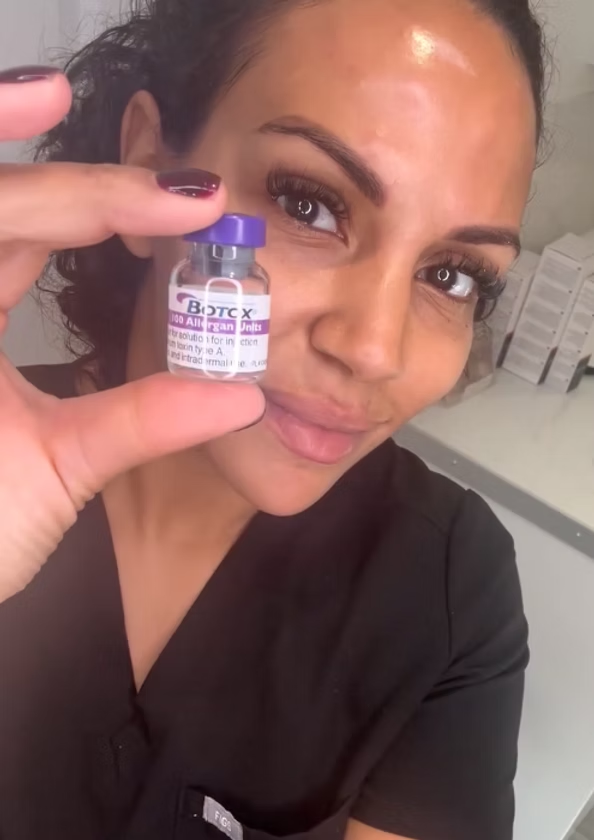
Botox is a brand name for botulinum toxin type A, a purified neurotoxin produced by the bacterium Clostridium botulinum. In large, uncontrolled doses, botulinum toxin is dangerous — it’s the same toxin responsible for botulism. In the tiny, precisely measured doses used in medicine, however, it has been safely administered for therapeutic and cosmetic purposes for decades. Botox treatment Australia
Botox is one of several commercial botulinum toxin type A products; others sold and TGA-approved in Australia include Dysport and, more recently, newer entrants to the market such as Relfydess. All of them work on the same underlying principle, though formulation, dosing units, and duration of effect can vary between brands.
How Botox Works
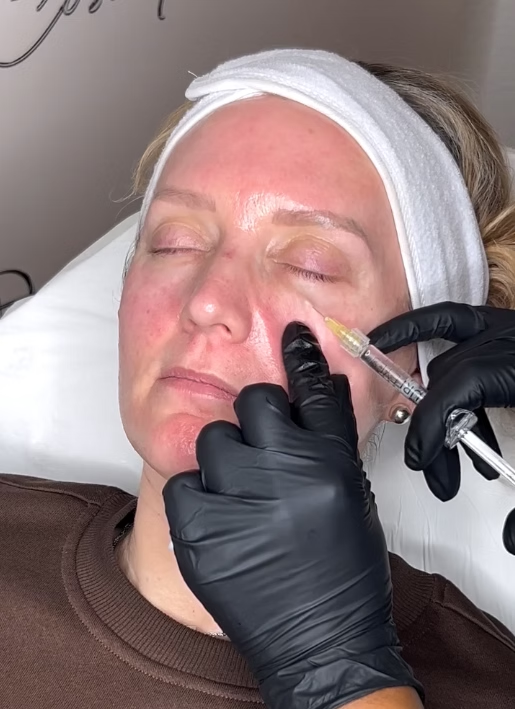
Botox works by temporarily blocking nerve signals to the muscles it’s injected into. Normally, nerves release a chemical messenger called acetylcholine, which tells muscle fibres to contract. Botulinum toxin blocks the release of acetylcholine at the injection site, which means the targeted muscle can no longer receive the signal to contract.
The practical effect depends on where it’s injected:
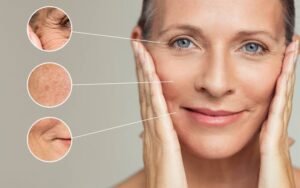
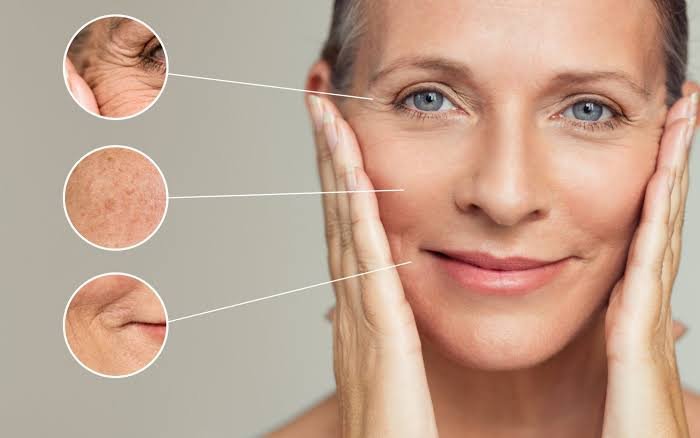
- In facial muscles, this relaxation smooths the wrinkles and creases caused by repeated muscle movement — think frown lines, crow’s feet, and forehead lines.
- In other muscles, the same mechanism is used therapeutically to reduce excessive or involuntary muscle activity.
- In sweat glands, botulinum toxin blocks the nerve signals that trigger sweat production, which is why it’s used to treat excessive sweating (hyperhidrosis).
The effect is not permanent. Nerve signalling gradually returns as the body forms new nerve endings, which is why Botox results typically last three to six months before muscle activity resumes and treatment needs to be repeated.
What Botox Is Used For
Cosmetic uses
- Smoothing dynamic wrinkles (lines caused by muscle movement, not sun damage or lost volume)
- Softening frown lines, forehead lines, and crow’s feet
- “Brow lift” effects by relaxing muscles that pull the brow down
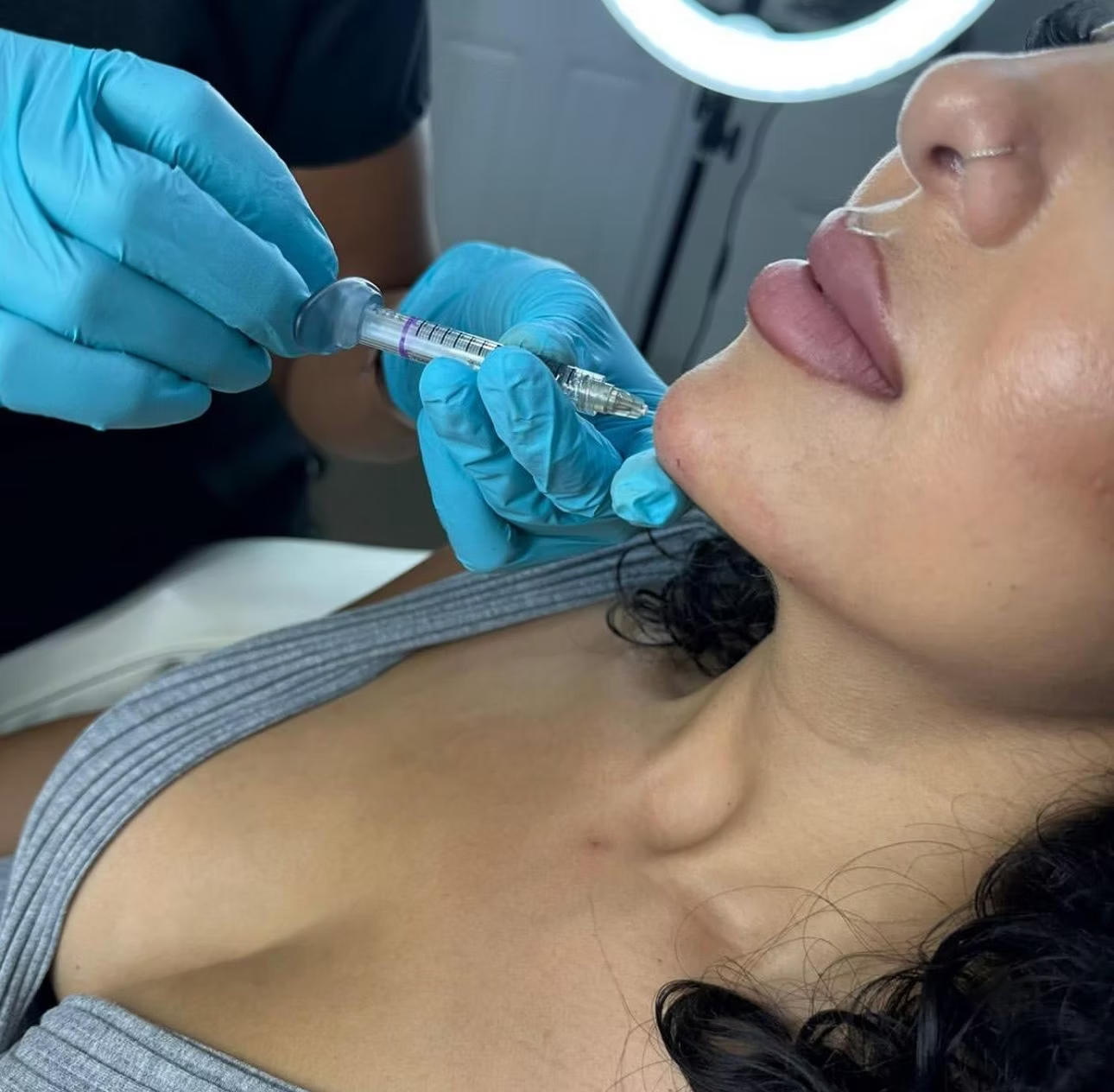
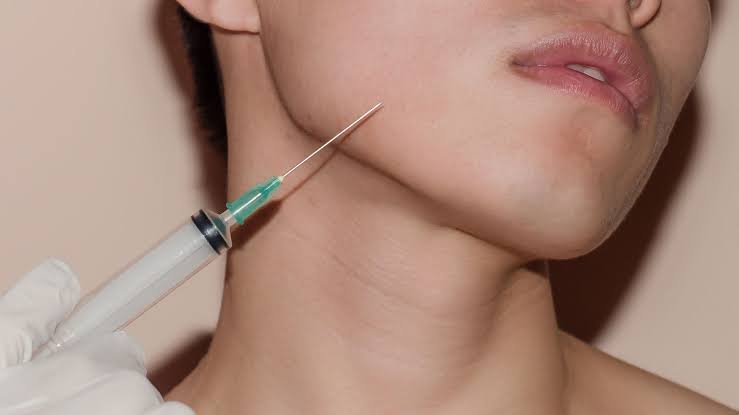
- Jawline slimming, by reducing overactivity of the masseter muscle
Medical/therapeutic uses
Botox has TGA-approved indications well beyond cosmetics, including:
- Chronic migraine prevention
- Overactive bladder and urinary incontinence
- Excessive underarm sweating (hyperhidrosis)
- Muscle spasticity conditions
- Blepharospasm (involuntary eyelid spasm) and certain eye muscle disorders
This dual identity, therapeutic drug and cosmetic treatment, is exactly why it’s classified and regulated the way it is.
Botox Regulation in Australia: What You Need to Know
Australia treats botulinum toxin products seriously, and for good reason — this is a potent prescription medicine, not a beauty product you can buy over the counter.
- Prescription-only status: Botox is classified as a Schedule 4 (S4) prescription-only medicine under Australia’s Poisons Standard, regulated federally by the Therapeutic Goods Administration (TGA) and, in parallel, by individual state and territory poisons laws. Botox treatment Australia
- Only some botulinum toxin and filler products on the market are actually approved by the TGA for use in Australia, so it’s worth asking any provider which brand they use and confirming it carries TGA approval.
- Who can prescribe and administer it: Because it’s a prescription medicine, a Botox treatment must be prescribed by an appropriately qualified and AHPRA-registered health professional (typically a doctor or nurse practitioner), following a proper clinical consultation. Registered nurses can administer the product once trained, but only after a doctor or nurse practitioner has prescribed it; nurses cannot prescribe it themselves.
- Real-time consultation requirements: Recent national practitioner guidelines have tightened the rules around telehealth “quick-script” prescribing, now requiring genuine, real-time consultations and detailed informed consent before any prescription is issued.
- Advertising restrictions: The TGA restricts how cosmetic injectables can be advertised to the public, including limits on using specific brand names like “Botox” in promotional material aimed at consumers.
- Counterfeit product warnings: The TGA has issued multiple alerts about counterfeit Botox vials entering Australia through unauthorised overseas websites. Only product imported by the TGA-approved sponsor (or their authorised agent) for the Australian market can legally be used in commercial treatment; parallel imports and personally imported vials fall outside this pathway and carry real safety risks, including cold-chain failures linked to serious adverse events. Botox treatment Australia
Risks and Side Effects
Botox is generally considered safe when administered correctly by a qualified, registered practitioner using a genuine, TGA-approved product. That said, it isn’t risk-free:
- Temporary bruising, swelling, or redness at the injection site
- Headache
- Asymmetry if muscles respond unevenly
- Toxin migration — in rare cases, the toxin can spread beyond the injection site, affecting nearby muscles
- Drooping eyelid or brow if injected too close to certain muscle groups
- In very rare cases, systemic spread of the toxin causing more serious symptoms, which requires immediate medical attention
Choosing a properly registered practitioner and a legitimately sourced, TGA-approved product significantly reduces these risks — most serious adverse events reported in Australia have been linked to unregistered providers or counterfeit products.
Why Botox Has Stayed So Popular
Botox’s enduring popularity comes down to a combination of factors: it’s minimally invasive, requires no downtime, delivers visible and predictable results, and, because the effect is temporary, carries less commitment anxiety than permanent procedures. As non-surgical aesthetic treatments continue to grow in accessibility and social acceptance across Australia, botulinum toxin remains the benchmark treatment against which newer injectables and devices are measured. Botox treatment Australia
The Bottom Line
Botox is a prescription-only medicine with a genuinely dual identity: a well-studied therapeutic drug for conditions like migraines and muscle disorders, and one of the most requested treatments in cosmetic medicine. Its safety profile is well established when it’s prescribed, sourced, and administered correctly, but because it’s a potent neurotoxin, that “correctly” matters enormously. Anyone considering treatment should confirm their practitioner is AHPRA-registered and using a genuine, TGA-approved product. Botox treatment Australia