




Why Anti-Ageing Treatment Has Become the Defining Trend of Modern Aesthetics
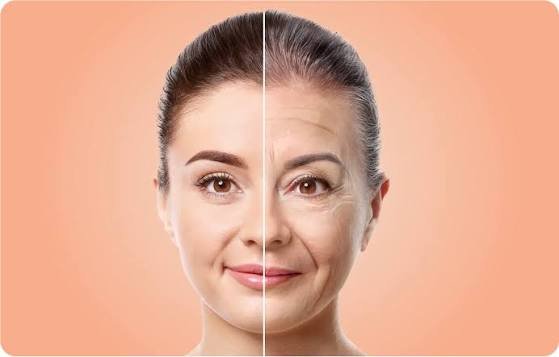
For decades, anti-ageing treatments were something people simply tried to hide once it had already happened. Today, the conversation has shifted entirely. Anti-ageing is no longer a reactive fix reached for in a moment of panic over a new wrinkle; it has become a proactive, science-driven category of skincare and aesthetic medicine that spans everyday consumers, clinics, and researchers alike. What was once a niche corner of the beauty industry is now one of the fastest-growing segments in global healthcare and cosmetics.
A Market That Reflects a Cultural Shift
The numbers tell a clear story. Industry analysts place the global anti-ageing market at roughly USD 80–91 billion in 2026, with most forecasts pointing toward well over USD 130 billion by the mid-2030s, growing at a compound annual rate between 5.5% and nearly 9% depending on how the category is defined. Growth isn’t confined to any one region either; North America currently holds the largest share of the market, while the Asia-Pacific region is expanding at the fastest pace as rising disposable income and beauty-conscious consumer cultures accelerate adoption. Anti-ageing treatments
What’s driving this isn’t vanity in isolation. It reflects a genuine shift in how people think about health, longevity, and self-care as interconnected goals rather than separate pursuits. Anti-ageing treatments
Why So Many People Are Turning to Anti-Ageing Treatments
1. Prevention has replaced correction as the dominant mindset. A generation ago, anti-ageing products were something people reached for once fine lines had already appeared. Now, the average age at which people start using anti-ageing treatments products has dropped significantly; many younger consumers begin in their mid-20s, well before visible signs of ageing emerge. The logic has flipped: maintain skin quality early, rather than repair it later.
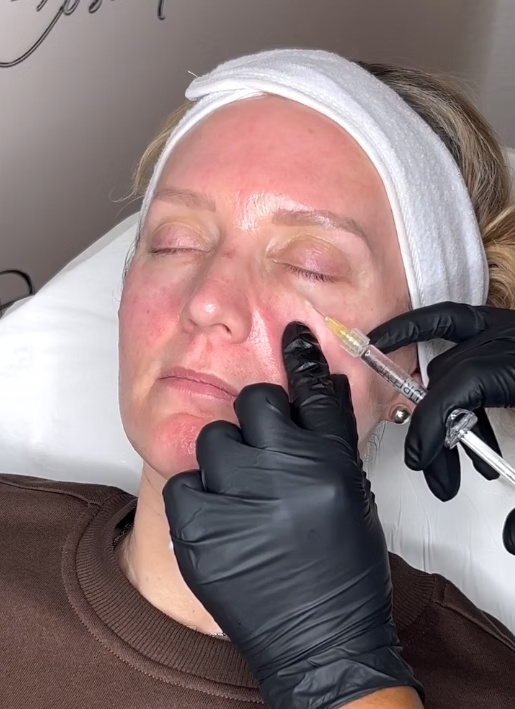
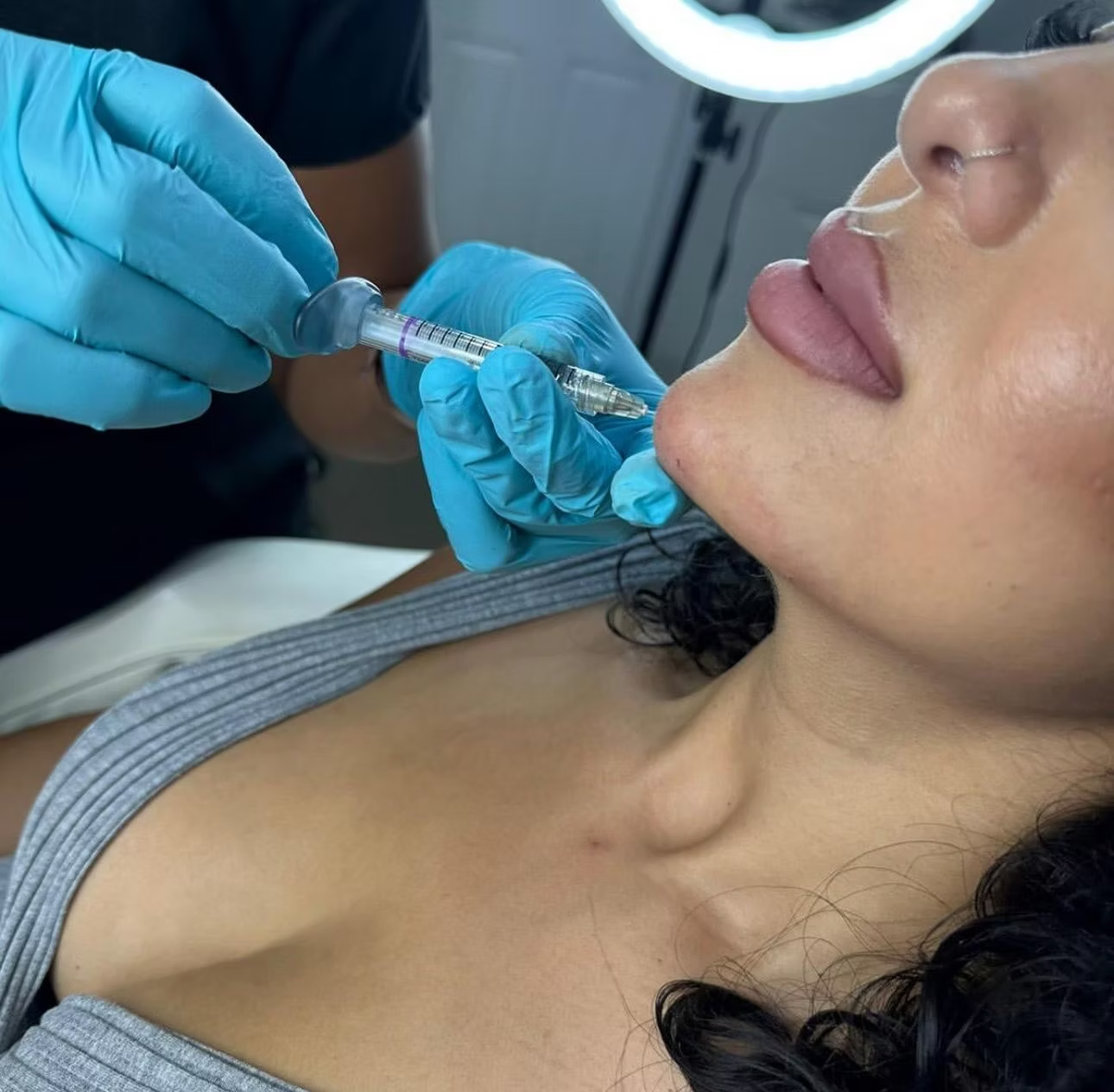
2. Non-invasive and minimally invasive options have lowered the barrier to entry. Injectables, energy-based devices (laser, radiofrequency, ultrasound), and advanced topical actives now offer visible results without the downtime, cost, or risk associated with surgical procedures. This shift toward “lunchtime procedures” has made aesthetic treatment accessible to a much broader demographic, not just those willing to undergo surgery. Anti-ageing treatments
3. Longevity science has merged with aesthetics. The line between “looking younger” and “ageing well biologically” is blurring. Emerging research into biomarkers like telomere length, inflammation, and epigenetic ageing clocks is informing product development and treatment protocols, giving anti-ageing a more clinical, evidence-based credibility than it had in previous decades.
4. Social media and digital visibility have changed self-perception. Constant exposure to filtered, curated images — combined with the sheer amount of time people now spend on video calls and camera-facing platforms — has heightened awareness of one’s own appearance in a way earlier generations didn’t experience. This has normalised conversations about skin health and aesthetic treatment that were once considered taboo. Anti-ageing treatments
5. Rising disposable income and treatment accessibility. As dermatology clinics and medical spas expand their footprint globally, aesthetic treatments that were once exclusive to major cities or high-income consumers are becoming available in more markets, at a wider range of price points. Anti-ageing treatments
6. An ageing global population with more purchasing power. The share of people aged 65 and older continues to climb worldwide, and this demographic increasingly has both the means and the motivation to invest in appearance-maintenance and healthy-ageing solutions — sustaining long-term demand well beyond any single trend cycle. Anti-ageing treatments
What This Means for the Supply Chain
As demand accelerates across topical actives, injectables, and device-based treatments, the pressure moves upstream, toward the raw materials, reference standards, and formulation inputs that clinics, laboratories, and manufacturers rely on to develop and validate these products. Reliable sourcing, accurate documentation (such as Certificates of Analysis), and consistent quality control have become just as important to the anti-ageing boom as the treatments themselves. B2B buyers in this space are increasingly prioritising suppliers who can provide transparency, batch consistency, and proper regulatory documentation, not just competitive pricing. Anti-ageing treatments Anti-Ageing Treatment
The Road Ahead
Anti-ageing is no longer a fringe category chasing quick fixes. It’s a mature, research-backed industry shaped by demographic shifts, technological innovation, and a broader cultural redefinition of what it means to age well. For businesses operating in the raw materials and research chemical supply space, this growth represents sustained, long-term demand, not a passing trend. Anti-ageing treatments